Spatial biomarkers are making their mark on oncology drug development.
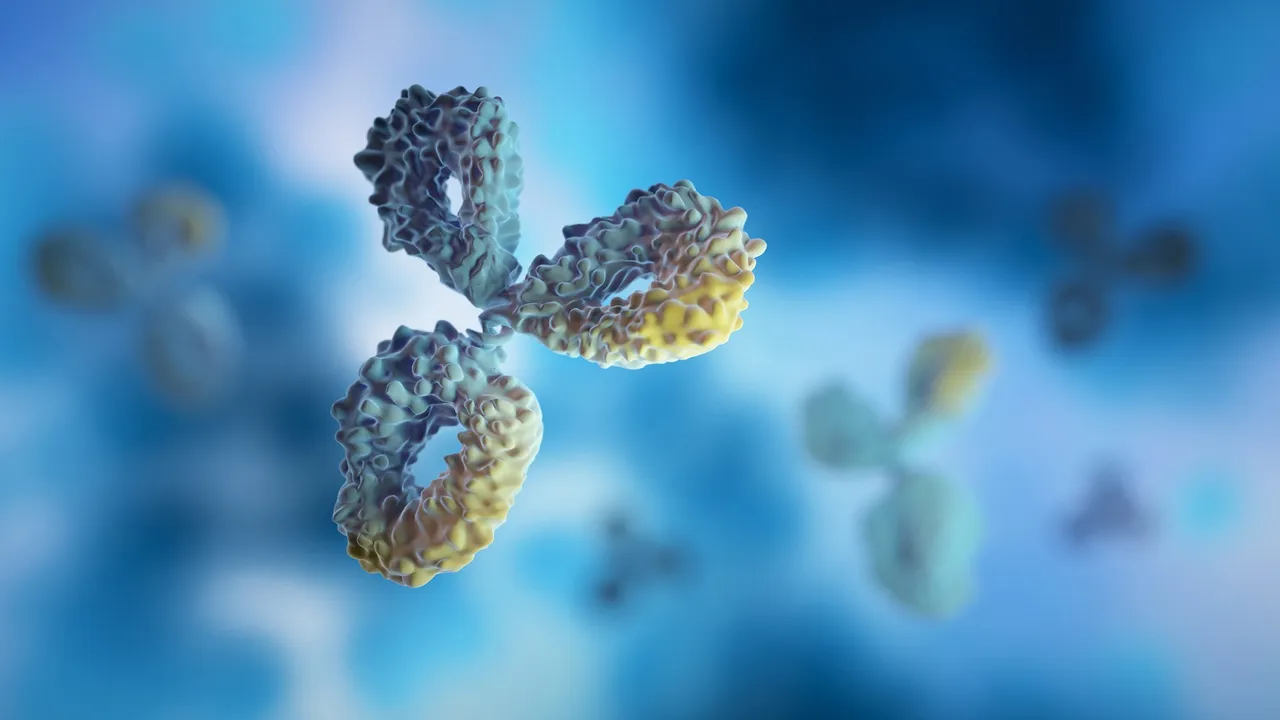
By quantifying the spatial heterogeneity within tumor tissues, predictive spatial scores can help identify relationships between biomarker expression patterns and therapeutic outcomes. The scores also enable researchers to assess the spatial relationships critical to the mechanisms of antibody–drug conjugates (ADCs), such as the bystander effect, where a drug impacts not only the target cells but also those in their microenvironment.
Dr. Jason Reeves, director of application science at Nucleai , detailed all these relationships during Technology Networks’ “Spatial Biology Revolution 2024”. But what really got Reeves’ excited was the potential of using artificial intelligence (AI) to address critical challenges in ADC development.